Best Heating Systems for Cold Climates
2026 Guide to Replacing Oil Heat
Choosing the right heating system for a cold climate requires balancing several competing factors. In this article, we rank common heating technologies based on five key criteria:
- Operating costs
- Comfort during harsh weather conditions
- Expected lifetime
- Environmental impact
- Aesthetic impact
Worst Option: Fuel Oil Boiler / Furnace
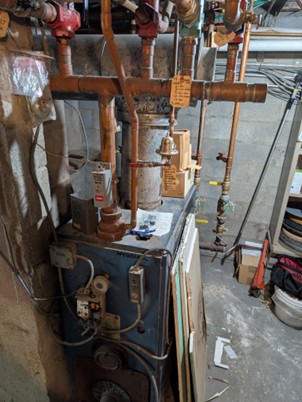
The fuel oil hot water boiler is a staple heating system, especially in the northeast and midwest, with over 5 million homes using it as their primary heat source, according to the 2020 Residential Energy Consumption Survey. When someone says that they have a cast iron boiler or furnace in their home, a professional already knows that it’s 20-40 years old and having maintenance issues. Most boiler manufacturers have deeply scaled back production of cast iron boilers and several European brands have stopped selling in the US altogether.
Fuel oil is also the most expensive and environmentally intensive fossil fuel used for residential heating. While oil systems perform reliably in cold climates, modern alternatives can deliver comparable comfort at significantly lower operating costs.
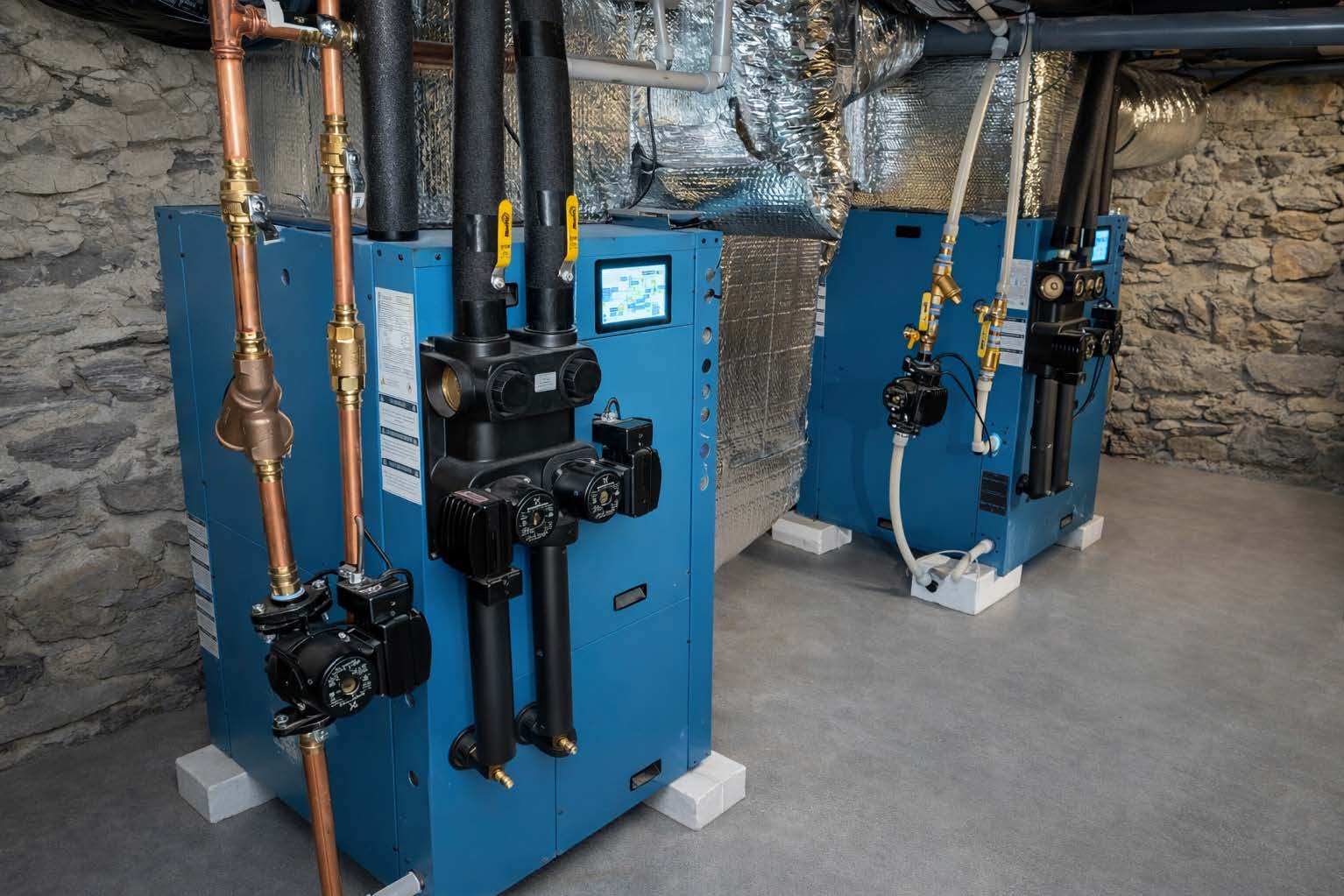
For homes currently using a hydronic oil boiler, one of the most practical upgrade paths is a geothermal system. Systems such as those offered by Energy Catalyst can integrate directly with existing hot water distribution systems, allowing the new heat source to connect to the same piping infrastructure already in the home.
1. Operating costs – HIGH. At $3.50 per gallon, a home consuming 1,000 gallons annually will spend approximately $3,500 on fuel, in addition to routine maintenance.
2. Comfort during harsh weather – GOOD. Oil systems produce high-temperature heat and, when properly sized, can handle even the coldest winter conditions.
3. Expected lifetime – GOOD. Cast iron systems are mechanically simple and can last up to 40 years, though significant maintenance may be required in later years.
4. Environmental impact – POOR. Fuel oil produces the highest emissions of the common residential fuels. Poorly maintained systems can also affect indoor air quality and release exhaust gas into the home. Additionally, buried or aging oil tanks can pose environmental and financial liabilities for homeowners.
5. Aesthetic impact – FAIR. Oil tanks and boilers are typically located in basements and out of sight, though the storage tank can occupy significant space.

Best Option: Geothermal Heat Pumps
Geothermal heat pumps are widely regarded as the most efficient and consistent heating and cooling systems available for cold climates. These systems use the stable underground temperature—typically around 50°F—to provide a reliable source of thermal energy throughout the year. Because of this stable energy source, geothermal systems achieve extremely high efficiencies, often delivering 400–600% seasonal efficiency.
Geothermal efficiencies can appear extraordinary because they transfer heat rather than generate it through combustion. For example, a unit with a Coefficient of Performance (COP) of 5 delivers five units of heat energy for every unit of electricity consumed. In practical terms, the system extracts four units of heat from the ground and combines it with one unit of electrical energy, delivering approximately five units of usable heat to the building at temperatures typically between 100–135°F. Unlike air-source systems, their performance does not decline during extremely cold outdoor temperatures. Modern geothermal systems can integrate with nearly any type of distribution system, including baseboard radiators, hydronic radiators, radiant floors, and forced-air ductwork.
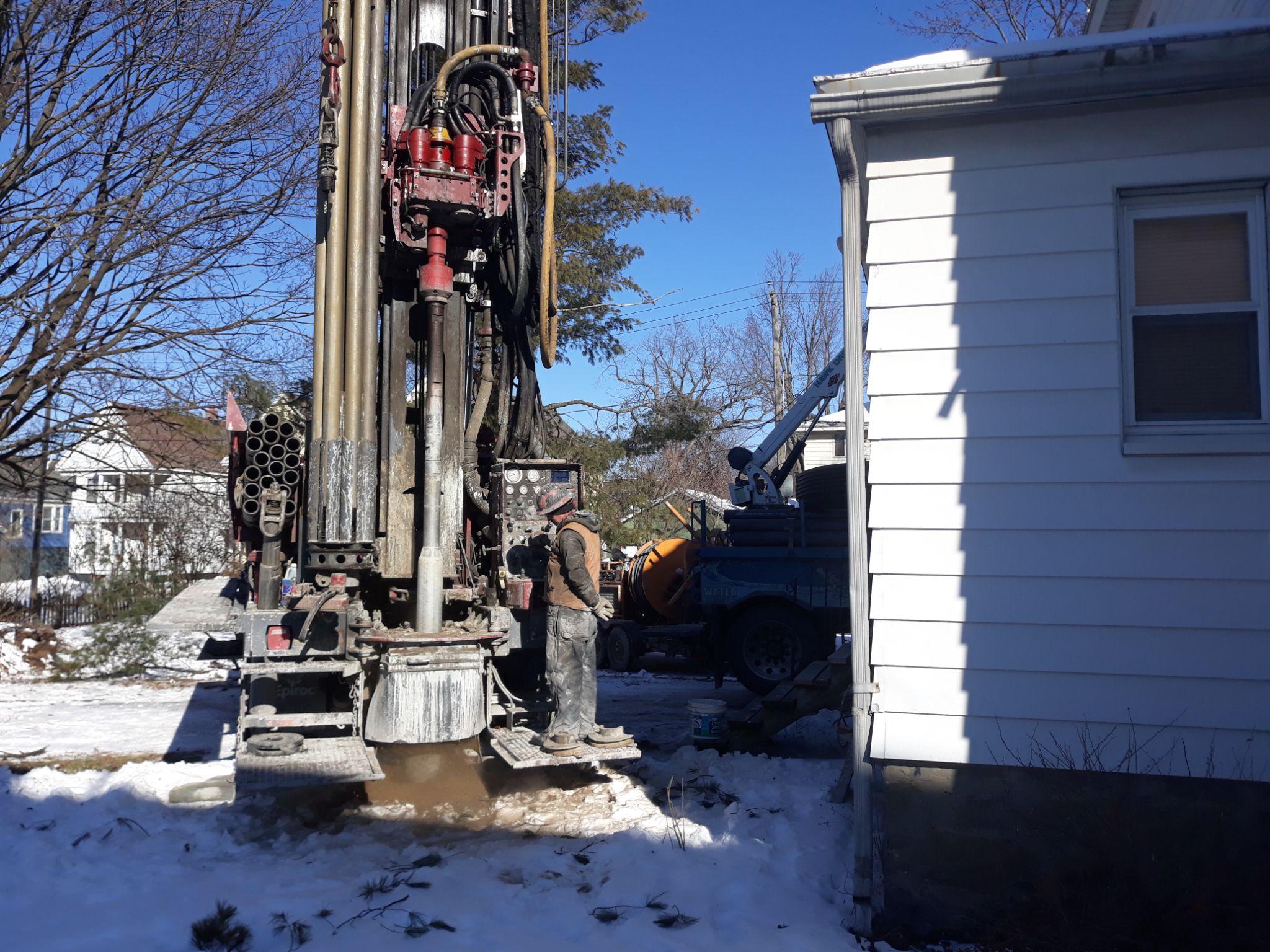
Two common concerns surrounding geothermal systems are installation cost and space requirements. In practice, space constraints are often less restrictive than many homeowners expect. In most cases, a driveway or modest backyard area provides sufficient room for the drilling equipment required to install geothermal wells.
Homes with shallow bedrock may actually see reduced drilling costs. Boreholes are typically lined with steel casing, and sites with shallower bedrock require less casing material.
In New York State, geothermal systems benefit from several significant incentives:
- Installation rebates ranging from $10,000–$14,000 for new construction and up to $40,000 for retrofit projects.
- A $10,000 New York State tax credit available through tax form IT-267 for primary residences.
- Financing and leasing programs offered by companies such as Upstream Lease and Energy Catalyst, which can significantly reduce upfront costs.
For example, Energy Catalyst offers leasing structures that combine rebates with modest down payments to produce monthly payments in the range of $150–$250 per month over 15 years, depending on system size and home characteristics.
1. Operating costs – VERY LOW. A home converting from fuel oil may see heating costs drop to approximately $1,285 annually compared with $3,500 for oil. Limited maintenance further reduces long-term operating expenses.
2. Comfort during harsh weather – VERY GOOD. Geothermal systems operate at full capacity regardless of outdoor temperature.
3. Expected lifetime – VERY GOOD. Indoor equipment typically lasts 20–25 years, while the underground borefield often carries a lifespan of 50–100 years.
4. Environmental impact – BEST. Geothermal systems eliminate onsite emissions and minimize electricity use due to their extremely high efficiency. When paired with solar power, they can significantly reduce the size and cost of a solar installation required to offset heating energy use.
5. Aesthetic impact – GOOD. Installation can temporarily disturb the surrounding ground during drilling, but once completed the entire geothermal field is buried underground and invisible. This also provides excellent resilience against natural disasters such as floods, hurricanes, or fires.

Very Expensive Option: Electric Resistance Heating
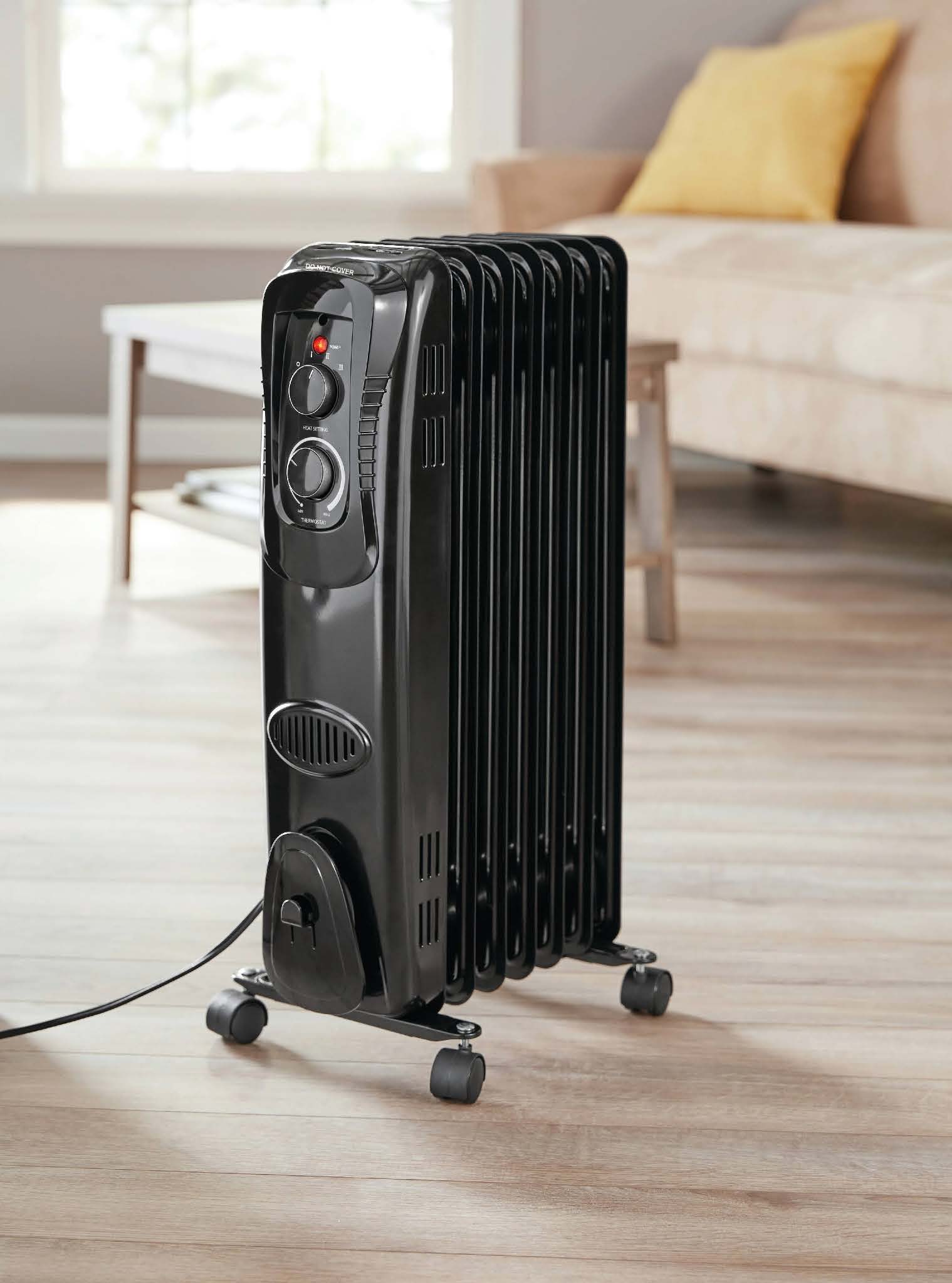
Electric resistance heating produces heat by passing electricity through resistive elements. While these systems can claim efficiencies approaching 99%, the metric is misleading when evaluating cost, because electricity is a high-value energy source, using it directly for heat can be extremely expensive—often approaching twice the operating cost of fuel oil in cold climates.
Recognizing this challenge, policies such as New York’s All-Electric Building Act were designed to encourage the use of high-efficiency electric technologies like heat pumps rather than traditional resistance heating.
1. Operating costs – EXTREMELY HIGH. A home replacing fuel oil with electric resistance heating could spend roughly $6,429 annually for the same heat that previously required 1,000 gallons of oil.
2. Comfort during harsh weather – FAIR. Resistance heaters respond quickly but typically have lower heating output and can struggle to evenly heat larger spaces.
3. Expected lifetime – GOOD. Most electric resistance systems have service lives of approximately 15–20 years.
4. Environmental impact – FAIR. While many northeastern electric grids include significant low-carbon power such as hydropower, nuclear, and renewables, resistance heaters consume three to five times more electricity than high-efficiency heat pump systems.
5. Aesthetic impact – GOOD. Resistance heaters can be useful in spaces that are only occasionally heated, such as workshops, attic rooms, or spare bedrooms.

Most Dynamic Option: Air-Source Heat Pumps
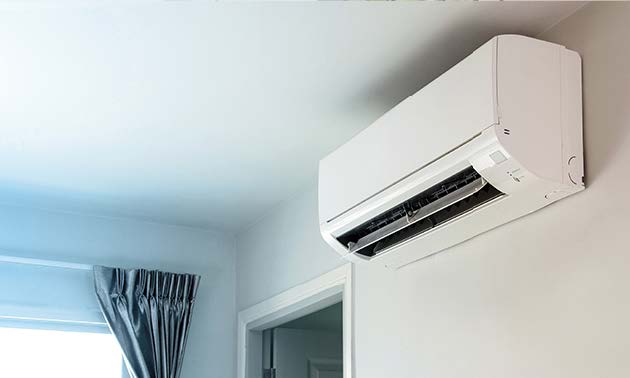
Heat pump technology has advanced significantly over the past two decades. Modern cold-climate models can operate in outdoor temperatures as low as -10°F and can connect a single outdoor condenser to multiple indoor units.
The primary advantage of heat pumps is that they move heat rather than generate it. This allows them to achieve efficiencies far beyond conventional heating systems, though because their source of heat (outside air) is often colder than the earth, air-source heat pumps achieve lower efficiencies than geothermal systems.
1. Operating costs – LOW. A home converting from fuel oil to heat pumps may see annual heating costs drop to approximately $2,143 compared with $3,500 for oil. Maintenance requirements are similar to those of traditional HVAC systems.
2. Comfort during harsh weather – GOOD. Modern systems can operate down to approximately -10°F, and properly designed systems with multiple indoor heads can provide good temperature distribution throughout a building.
3. Expected lifetime – GOOD. Most systems have a service life of about 15 years, comparable to many modern residential boilers.
4. Environmental impact – GOOD. Heat pumps eliminate onsite combustion and local air pollution. Their electricity use can also be offset with solar power or low-carbon grid electricity.
5. Aesthetic impact – FAIR. Systems typically require one or more outdoor condenser units, which can become visually intrusive if multiple units are installed.

Final Thoughts: Planning Your Heating System Upgrade
For homeowners in cold climates, the heating system is one of the most important long-term investments in the home. The right choice can reduce operating costs, improve comfort during severe winter conditions, and increase the overall value and resilience of the property.
Many homes across the Northeast are still relying on aging fuel oil systems that are expensive to operate and increasingly difficult to maintain. Fortunately, modern technologies—particularly heat pumps and geothermal systems—now offer dramatically higher efficiency while providing consistent comfort even in very cold weather.
Geothermal heat pumps stand out because they combine the lowest operating costs, the highest efficiency, and the most consistent performance in extreme temperatures. When properly designed, they can often integrate with existing heating infrastructure, allowing homeowners to upgrade their system without completely rebuilding their home’s heating distribution. Every home is different, however. Factors such as building size, insulation levels, existing heating systems, and available outdoor space all play an important role in determining the best solution. The most effective way to evaluate your options is through a professional system design and cost comparison.
Energy Catalyst specializes in designing high-efficiency heating systems for cold climates and has helped homeowners throughout the northeast transition to geothermal.
If you are considering replacing your heating system, we would be happy to evaluate your home and provide guidance on the best solution.
To learn more or request a consultation, visit EnergyCatalysttech.com or contact our team in Troy, NY.